Data Recovery Files From Corrupted Or Inactive USB Drive
USB flash drives are commonly used for storing and transferring data, offering portability and convenience. However, like any storage device, they can become corrupted or inactive for various reasons. Whether it’s due to physical damage or logical errors, the data on a USB drive may become inaccessible. Fortunately, data recovery is often possible, depending on the cause of the issue.
Common Causes of USB Drive Corruption
1. Improper Unmounting
One of the most common issues with USB drives occurs when they are improperly unmounted or removed from a computer. Disconnecting the drive without safely ejecting it can lead to data corruption or loss, as the system may still be writing data to the drive when it is disconnected.
2. Logical Errors
Logical corruption can occur when the Master Boot Record (MBR) or Partition Boot Record (PBR) becomes damaged, or if the file system structure on the USB drive is altered or corrupted. These issues prevent the operating system from reading or accessing the data on the drive.
3. Physical Damage
Physical damage to a USB drive can include broken connectors, pins, or circuitry. It can also occur when the drive is subjected to extreme conditions such as power surges, overheating, or impact. A “dead” drive that does not show any signs of life or a drive that becomes inaccessible could be due to these physical issues.
Signs of Corruption or Inaccessibility
Here are some signs that your USB drive may be corrupted or inactive:
- The drive is not recognized by the computer.
- It shows as RAW or asks to be formatted when connected.
- The drive is visible, but the files are inaccessible or corrupt.
- The system prompts you to format the drive before using it, leading to the potential loss of data.
- You experience error messages when attempting to open or transfer files.
How to Recover Data from a Corrupted USB Drive
Step 1: Identify the Cause of the Issue
The first step in recovering data from a corrupted USB drive is to understand the reason behind the issue. If the problem is logical or software-related, it can often be fixed with recovery software. However, physical damage may require specialized recovery techniques or professional help.
Step 2: For Logical Errors: Use Data Recovery Software
If the USB drive is logically corrupted (e.g., MBR or PBR issues), data recovery software can help fix the file structure and restore your files. Popular recovery tools include:
- Recuva: A free tool that allows you to recover deleted files and repair file systems.
- EaseUS Data Recovery Wizard: This tool can recover files from damaged USB drives with logical corruption.
- Wondershare Recoverit: A powerful tool designed to recover lost files from corrupted or inaccessible USB drives.
Simply install the software, connect your USB drive, and run a scan to locate the recoverable files. Once the scan is complete, you can choose the files you wish to recover.
Step 3: For Physical Damage: Professional Data Recovery
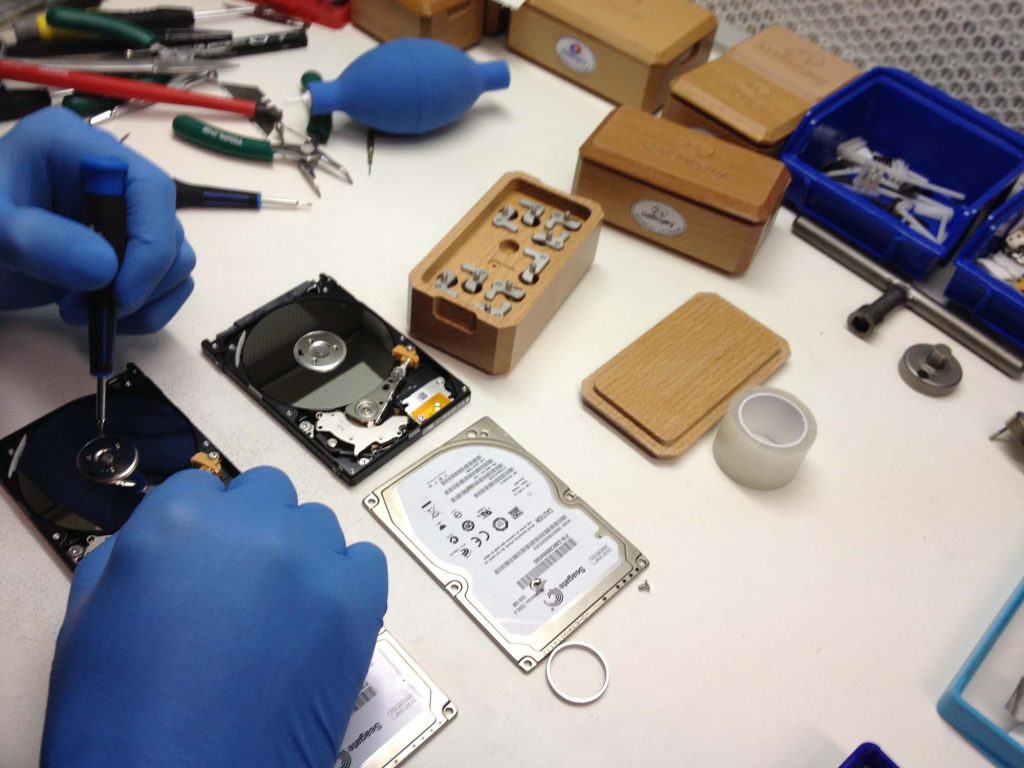
If the USB drive is physically damaged—such as broken connectors, dead circuits, or issues with the NAND gate—the situation becomes more complicated. In this case, you may need to send the drive to a professional data recovery service. These experts have specialized tools and facilities to recover data from physically damaged drives.
Prevention Tips for Avoiding USB Drive Corruption
While data recovery is often possible, it’s always better to prevent corruption from happening in the first place. Here are some tips to protect your USB drive:
- Safely Eject the Drive: Always eject your USB drive properly before disconnecting it from your computer to avoid corruption.
- Use Reliable Backup Solutions: Regularly back up important files stored on your USB drive to avoid data loss.
- Avoid Physical Damage: Protect your USB drive from physical damage by storing it in a safe, dry place away from excessive heat or moisture.
- Keep Your System and Software Updated: Ensure that your operating system and USB drivers are up-to-date to avoid compatibility issues.
Conclusion
Recovering data from a corrupted or inactive USB drive is possible, especially when the cause of the issue is related to logical corruption. Using reliable data recovery software can help restore your files in many cases. However, if the drive has suffered physical damage, professional data recovery services are often necessary. Always remember to back up your data regularly and handle your USB drives with care to minimize the risk of corruption.